Maricopa County, Arizona, Is Again Ground Zero of Election Conspiracy Theories
By the AIdeaFlow Team
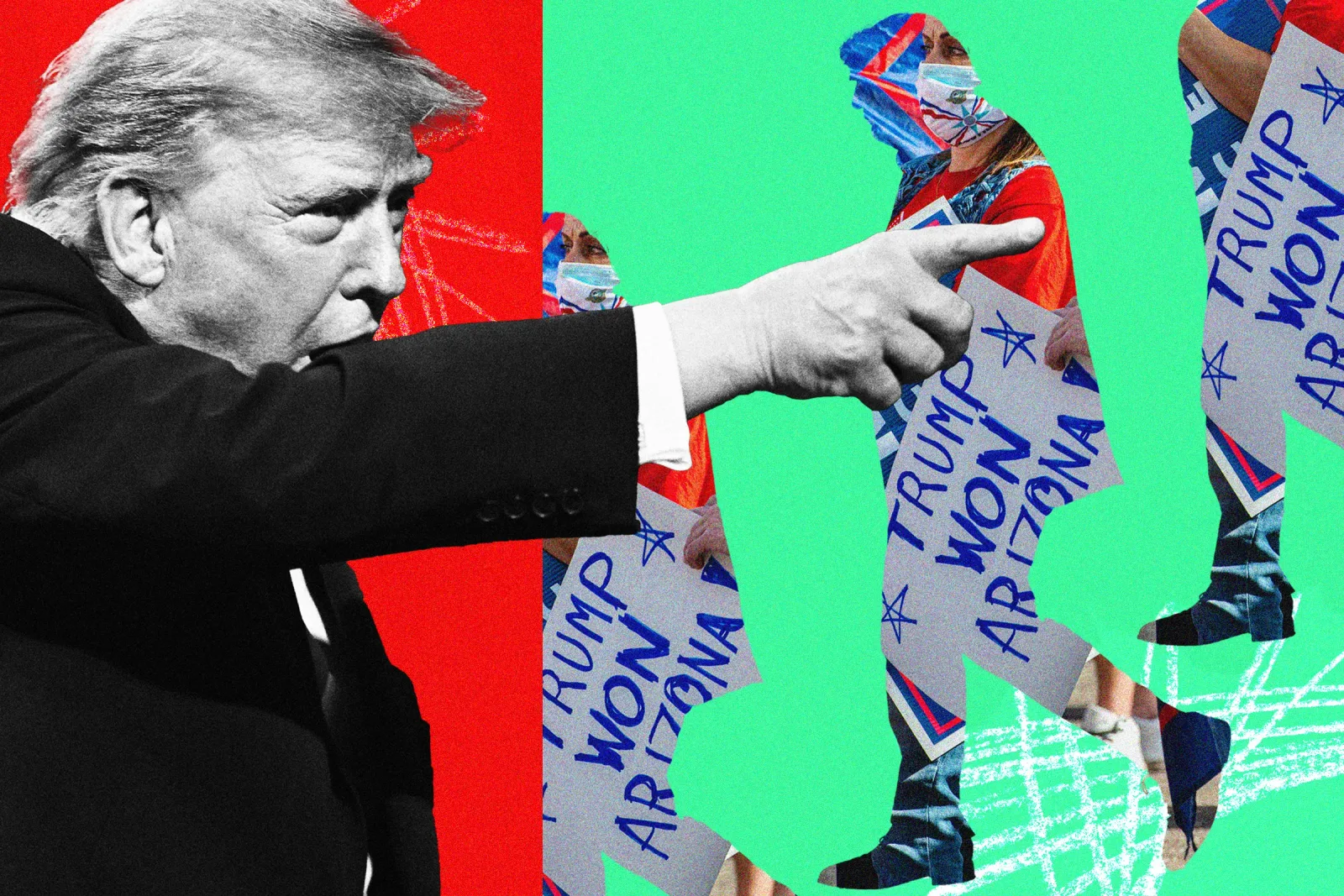
The political landscape in Maricopa County, Arizona, continues to serve as a testing ground for narratives that challenge established electoral outcomes. According to recent reporting, the area that became the epicenter of claims regarding the 2020 election is now seeing those same arguments resurface. This time, the focus is shifting toward the upcoming midterm elections, suggesting a cyclical pattern in how political allies deploy these stories.
What makes this development particularly interesting from a technological perspective is the intersection of long-standing political strategies and modern digital tools. The playbook used to spread these claims has not changed significantly in its core message. However, the mechanisms for dissemination have evolved. We are seeing a renewed effort to frame election integrity as a central issue, leveraging historical grievances to mobilize specific voter bases.
The role of artificial intelligence in this environment cannot be overlooked. While the source material does not explicitly detail AI usage, the broader tech ecosystem is increasingly involved in how political information is curated and consumed. Algorithms that prioritize engagement often amplify controversial content. This creates an environment where conspiracy theories can gain traction more rapidly than verified facts.
Entrepreneurs and professionals in the tech sector should pay close attention to how misinformation spreads. The resilience of these narratives in Maricopa County suggests that factual corrections alone are insufficient. Instead, we must look at the underlying trust deficits that allow such theories to persist. Technology companies are now tasked with balancing free speech with the need to prevent the spread of harmful disinformation.
This situation also raises questions about the future of digital democracy. As AI tools become more sophisticated, the ability to generate convincing fake content increases. This means that the burden of verification shifts more heavily onto the individual user. It is no longer enough to rely on traditional media outlets for truth. We must develop new skills in digital literacy to navigate this complex landscape.
The implications for AI developers are significant. There is a growing demand for tools that can help users identify manipulated media or verify sources. This is not just a technical challenge but a societal one. The success of these tools will depend on their ability to integrate seamlessly into existing workflows without being perceived as biased.
What this means for you is that staying informed requires active engagement with your tools. You should not passively consume information but rather critically evaluate its source and context. To help with this, try using an AI assistant to cross-reference claims. Ask it to summarize multiple perspectives on a recent political event and highlight any discrepancies in the reporting. This simple workflow can help you build a more nuanced understanding of complex topics.
Ready to apply this tech at your business?
Viking Net helps teams in San Antonio and worldwide stay ahead.