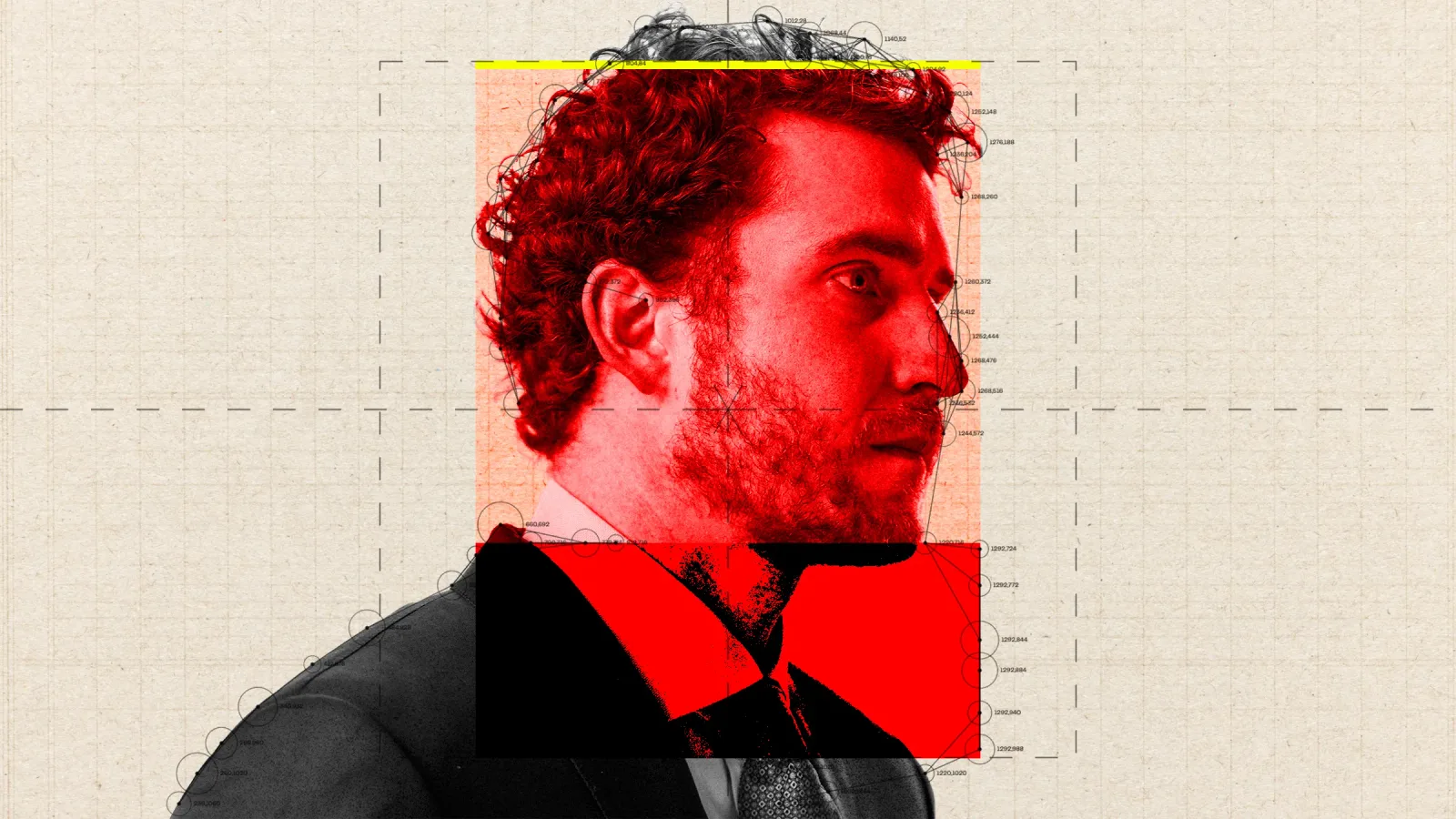
Nathan Fielder’s latest documentary project has turned its lens toward an unexpected figure in the tech world, Billy Evans. Evans is best known as the husband of Elizabeth Holmes, the disgraced founder of Theranos. However, this new film digs deeper into his personal and professional life, asking whether he is truly moving on or still tethered to the shadows of his wife’s past. According to recent reports, Evans is positioned as a central character in this exploration of ambition, failure, and redemption in the startup ecosystem.
The documentary does not shy away from the uncomfortable questions surrounding Evans’ current endeavors. There are persistent rumors and claims that he is working on a new blood-testing company. This potential venture has led some critics and observers to label it as a Theranos 2.0. The film aims to separate fact from fiction, examining the technology Evans claims to be developing and the skepticism that surrounds it. It is a rare look into the mind of someone who was once at the center of one of the biggest tech frauds in history.
What makes this story particularly compelling for AI and tech enthusiasts is the intersection of biotechnology and narrative control. Evans’ story is not just about failed hardware or deceptive marketing. It is about how a founder’s identity becomes inextricably linked to their product’s failure. The documentary likely explores how Evans navigates public perception while trying to build something new. This raises important questions about accountability and the second chances afforded to controversial figures in Silicon Valley.
The role of Nathan Fielder as the director adds another layer of complexity. Fielder is known for his deadpan, surreal approach to reality television and documentary filmmaking. His presence suggests that the film will not be a straightforward journalistic piece. Instead, it may use humor and awkwardness to expose the absurdities of the startup culture that allowed Theranos to thrive. This stylistic choice could provide a fresh perspective on the ethical lapses that occurred under Holmes’ leadership.
For professionals in the AI and biotech sectors, this documentary serves as a cautionary tale about the dangers of hype over substance. The Theranos scandal was fueled by promises of technology that did not exist. Today, we see similar patterns in the AI industry, where companies often overstate the capabilities of their models. Evans’ potential new venture highlights the ongoing struggle to validate claims in highly technical fields. It reminds us that due diligence is more important than ever when evaluating new health technologies.
The film also touches on the personal dynamics between Evans and Holmes. Their relationship has been a subject of public scrutiny for years. By focusing on Evans, the documentary shifts the narrative away from Holmes’ legal troubles and toward the human element of the story. This approach allows viewers to see the individuals behind the headlines. It challenges us to consider how personal relationships influence business decisions and ethical boundaries in high-stakes environments.
What this means for you: As AI tools become more integrated into healthcare and biotech, the need for transparent and verifiable claims is critical. Use AI to help analyze press releases and technical white papers from startups. Look for peer-reviewed data rather than marketing hype. Here is a prompt you can try: Ask your AI assistant to summarize the key technical claims in a new biotech startup’s press release and list any missing peer-reviewed references or independent validations. This simple workflow can help you cut through the noise and focus on substance.
Ready to apply this tech at your business?
Viking Net helps teams in San Antonio and worldwide stay ahead.