Nvidia launches new open models to run agents in the enterprise and on PCs
By the AIdeaFlow Team
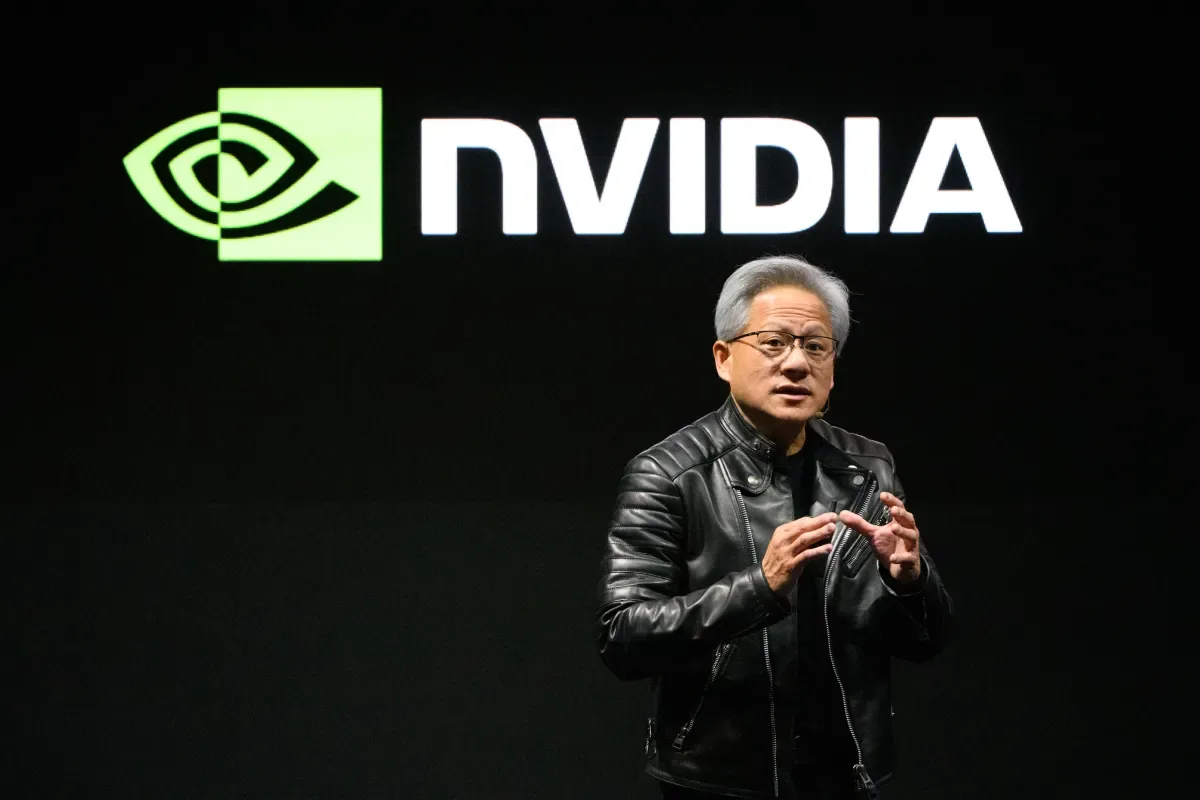
Nvidia is making a decisive pivot toward open models, aiming to empower enterprises to run their own AI infrastructure within their own data centers. According to recent reports, this strategy is designed to meet the surging demand for data sovereignty, allowing companies to keep sensitive information off public clouds. It is not just about hardware anymore. The chip giant is positioning itself as the backbone for a new era of private, self-hosted artificial intelligence.
This initiative goes beyond simple model hosting. Nvidia is specifically targeting the development of AI agents that can operate directly on personal computers. By enabling on-device processing, they are addressing critical concerns regarding latency and privacy. Users can interact with sophisticated agents without their data ever leaving their local machine. This creates a seamless experience that feels instant while maintaining strict confidentiality.
The move reflects a broader industry trend where large tech firms are realizing that not all AI needs to be centralized. Enterprises are increasingly wary of sending proprietary data to third-party providers. Running models locally ensures that intellectual property remains secure. It also reduces the ongoing costs associated with cloud API calls, which can add up quickly at scale.
Nvidia’s approach leverages its dominant position in GPU hardware to make these open models more accessible. They are likely providing optimized software stacks that allow these models to run efficiently on consumer-grade hardware. This democratizes access to powerful AI capabilities for smaller teams and individual developers. It lowers the barrier to entry for building custom AI solutions.
For entrepreneurs and professionals, this shift means greater control over their AI workflows. You are no longer locked into a single provider’s ecosystem. You can choose models that best fit your specific needs and deploy them where they make the most sense. This flexibility is crucial for adapting to rapid changes in the AI landscape.
The emphasis on on-device agents also hints at a future where AI is more integrated into daily tasks. Imagine an assistant that understands your local files and context without needing an internet connection. This level of integration can significantly boost productivity for knowledge workers. It allows for deeper personalization that cloud-based models often struggle to achieve due to privacy constraints.
What this means for you: Start experimenting with local AI models now to understand their capabilities and limitations. You can begin by using open-source tools to run small language models on your current hardware. Try this prompt to test a local agent’s reasoning capabilities: "Analyze the attached document and summarize the key risks, then suggest three mitigation strategies based on industry best practices." This workflow helps you evaluate how well local models handle complex, context-aware tasks without relying on external APIs.
Ready to apply this tech at your business?
Viking Net helps teams in San Antonio and worldwide stay ahead.