DIY VR: How to build your own headset, and why you probably won't want to
By the AIdeaFlow Team
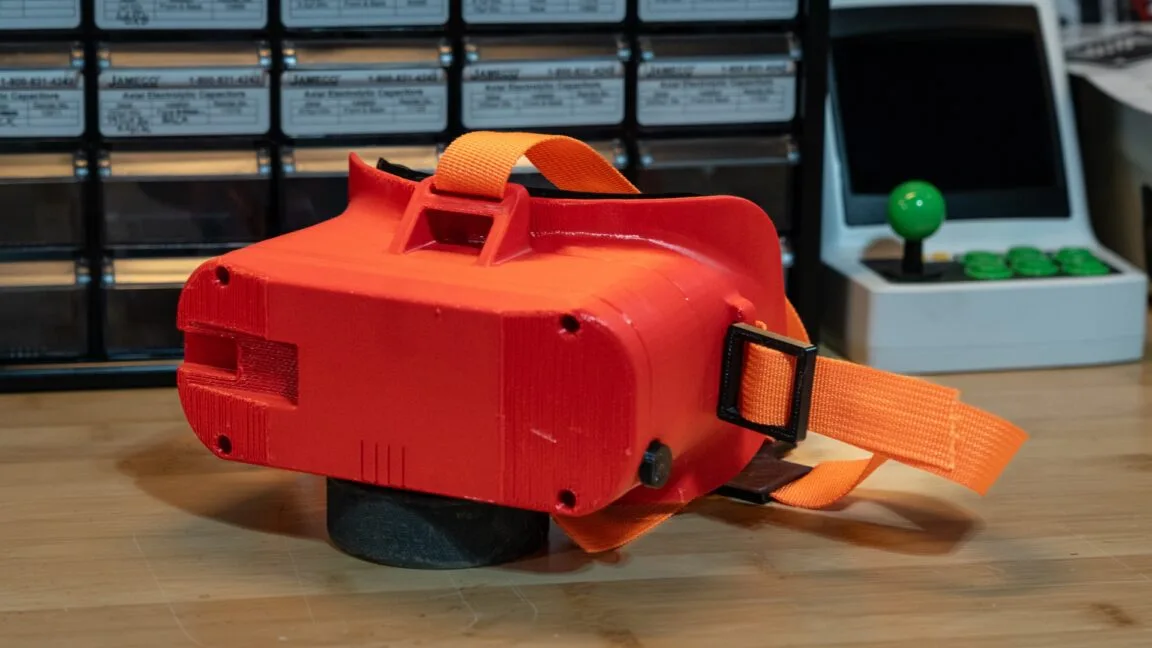
Virtual reality is currently navigating a strange and somewhat melancholic phase. After the initial burst of excitement following the Oculus Rift in 2016, the market has seen a steady decline in momentum. Major players like Apple have scaled back their efforts, and the broader metaverse hype has largely evaporated into the background. This shift has left a void in the consumer market that enthusiasts are now trying to fill themselves.
According to recent reporting, the spotlight has moved away from polished consumer products and toward the DIY community. A small but dedicated group of tinkerers is now building their own headsets using off-the-shelf components. This movement is not about convenience or ease of use. It is about the raw, unfiltered experience of creating hardware from scratch.
The process involves hundreds of dollars in parts and countless hours of labor. Builders must navigate the complexities of soldering, flashing custom firmware, and 3D printing custom cases. It is a technical rollercoaster that offers no guarantees of success. Yet, for these enthusiasts, the struggle is part of the appeal and the learning process.
This trend reveals a deeper truth about the current state of immersive technology. Mainstream innovation has stalled, leaving little room for the average consumer to engage with the medium in a meaningful way. The DIY scene keeps the spirit of experimentation alive, even if the commercial market has lost its way. It is a testament to the enduring human desire to tinker and create.
The implications for the broader tech industry are significant. When big companies retreat, they often miss the opportunity to learn from the passion of the enthusiast community. These builders are pushing the boundaries of what is possible with current hardware. They are finding workarounds and solutions that larger corporations might overlook due to cost or complexity.
For AI professionals and tech workers, this DIY VR movement serves as a reminder of the value of hands-on experimentation. It highlights the importance of understanding the underlying technology rather than just using it as a black box. Engaging with the hardware can provide insights that are impossible to gain from using off-the-shelf products alone.
What this means for you is that you do not need to build a headset to benefit from this mindset. You can apply the same spirit of inquiry to your AI workflows. Instead of just using a pre-built tool, try to understand how it works under the hood. This deeper understanding will make you a more effective user and innovator.
Here is a workflow idea to try. Take a complex AI tool you use daily and write a detailed breakdown of its input and output processes. Identify one step where you could add a custom script or automation to improve efficiency. This mimics the DIY approach by adding your own layer of control and customization to the technology.
Ready to apply this tech at your business?
Viking Net helps teams in San Antonio and worldwide stay ahead.