Review: Apple's hyper-pricey M5 Ultra Mac Studio made me into a vibe coder
By the AIdeaFlow Team
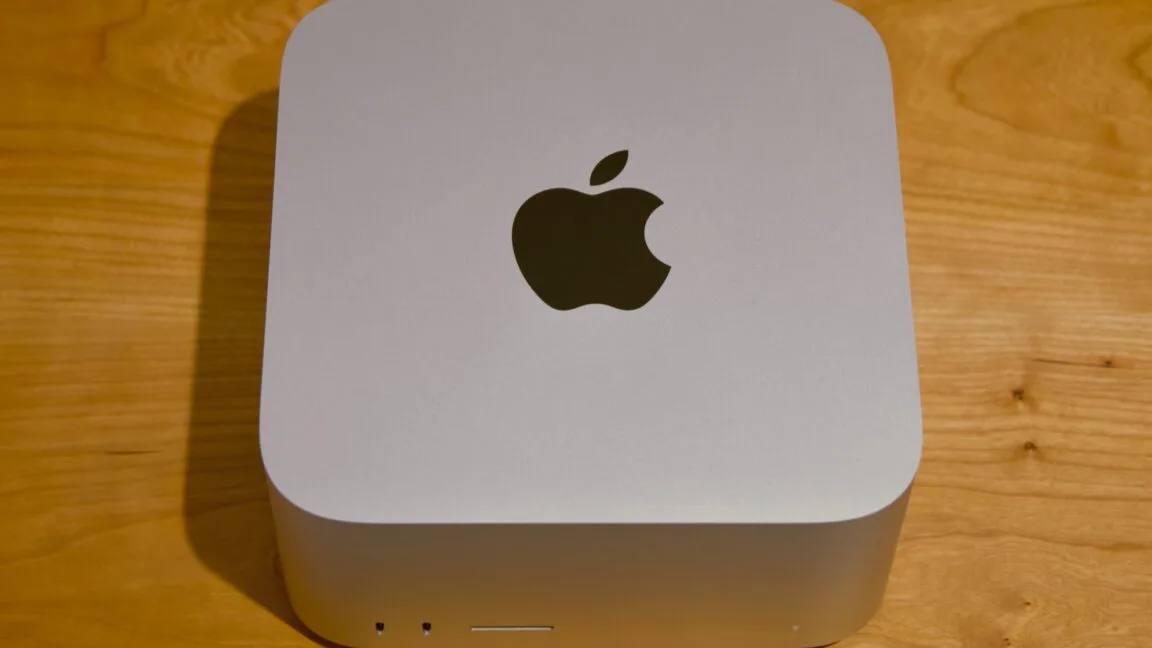
Apple has officially declared the Mac Pro dead, a move that might seem shocking to traditionalists but makes perfect sense in the era of Apple Silicon. According to recent reporting, the company is pivoting away from the expandable tower model that defined the Intel and AMD days. The new reality is that unified memory architecture bundles the CPU, GPU, and memory interface so tightly that physical upgrades are not just difficult but fundamentally incompatible with the chip's design philosophy.
This architectural shift is not merely a hardware constraint but a strategic enabler for a new kind of professional workflow. The M5 Ultra Mac Studio is not just a fast computer. It is a dedicated engine for running large language models and autonomous agents locally on your desk. This changes the definition of a pro workstation from a machine you can tinker with to a sealed unit optimized for specific, high-compute tasks.
The term vibe coding is gaining traction among developers who use AI to handle the heavy lifting of syntax and boilerplate. With the M5 Ultra, you are no longer waiting for cloud inference or dealing with API rate limits. You are running these models locally, which means zero latency and complete data privacy. This is a massive leap for developers who handle sensitive code or proprietary algorithms that cannot leave their premises.
According to the review, this hardware has transformed the reviewer into a vibe coder. This suggests that the barrier to entry for complex AI integration has dropped significantly. You do not need to be a machine learning engineer to leverage these tools. You just need the compute power to run them efficiently. The Mac Studio provides that power in a compact, silent form factor that fits on any desk.
The death of the Mac Pro also signals the end of an era for IT departments that relied on modular upgrades. In the past, you could swap out a GPU or add more RAM as needs grew. Now, you buy the power you need upfront. This requires a different purchasing strategy for businesses. It favors those who can predict their AI workload needs rather than those who want to scale incrementally.
This trend is likely to accelerate across the industry. As Apple demonstrates that unified memory is superior for AI tasks, other manufacturers may follow suit. We could see a future where workstation design prioritizes memory bandwidth and capacity over traditional expandability slots. This is a significant shift in how we think about hardware longevity and upgrade paths.
What this means for you is that your local machine is becoming a more powerful AI partner. You should start exploring how to run local models for your daily tasks. This reduces dependency on cloud services and keeps your data secure. Try this workflow: use a local LLM to summarize your daily emails and draft responses, then review and send. It is a simple way to start leveraging local AI for productivity without the privacy risks of cloud APIs.
Ready to apply this tech at your business?
Viking Net helps teams in San Antonio and worldwide stay ahead.