Japan’s MMX Mission Wants to Bring Martian Moon Samples Back to Earth
By the AIdeaFlow Team
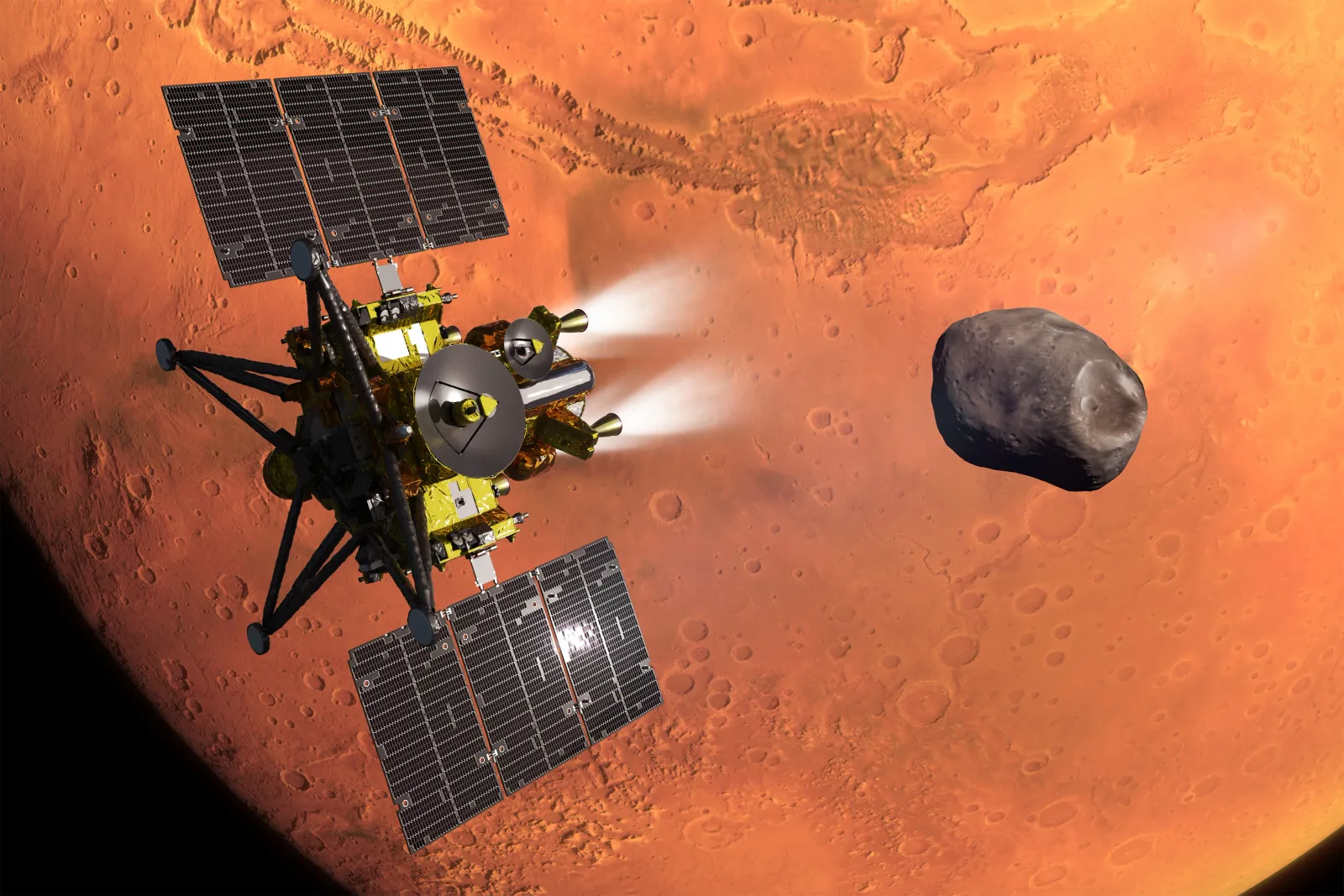
Japan’s space agency JAXA is spearheading a bold new chapter in planetary science with the Martian Moons eXploration mission. According to recent reports, this international endeavor aims to land on Phobos, one of Mars’ two small moons, and return soil samples to Earth. The stakes are high, but the potential rewards for understanding our cosmic neighborhood are immense.
The mission represents more than just a technical feat. It signals a shift toward complex international partnerships in space exploration. By pooling resources and expertise, nations can tackle challenges that would be too costly or difficult for any single country to manage alone. This collaborative model is becoming increasingly vital as we push further into the solar system.
Phobos itself is a fascinating target. Scientists believe it may be a captured asteroid or a remnant from a massive impact on Mars. Retrieving samples could help determine its true origin. This information would provide critical clues about the early history of the solar system and the formation of the terrestrial planets.
The technical challenges involved are significant. Landing on a small, irregularly shaped moon requires precise navigation and control. The return journey adds another layer of complexity, demanding robust systems to ensure samples arrive safely. Success would demonstrate advanced capabilities in autonomous operations and deep space communication.
This mission also has implications for future human exploration of Mars. Understanding the surface composition and behavior of Phobos could inform strategies for establishing bases or conducting scientific operations. The data gathered might help identify resources or hazards that could affect crewed missions in the coming decades.
For AI enthusiasts and tech professionals, the MMX mission offers a glimpse into the future of autonomous systems. The spacecraft will need to make critical decisions without real-time input from Earth. This reliance on onboard AI and machine learning algorithms is a trend that will only grow as missions venture further from home.
What this means for you: As AI becomes more integral to space exploration, the skills needed to develop and manage these systems will become increasingly valuable. Consider exploring how machine learning can optimize autonomous decision-making in uncertain environments. Try using an AI assistant to simulate a scenario where a rover must navigate a complex terrain with limited communication. Ask the AI to suggest a decision-making framework that balances speed and safety, then refine it based on feedback. This exercise can help you understand the trade-offs involved in designing resilient AI systems for real-world applications.
Ready to apply this tech at your business?
Viking Net helps teams in San Antonio and worldwide stay ahead.