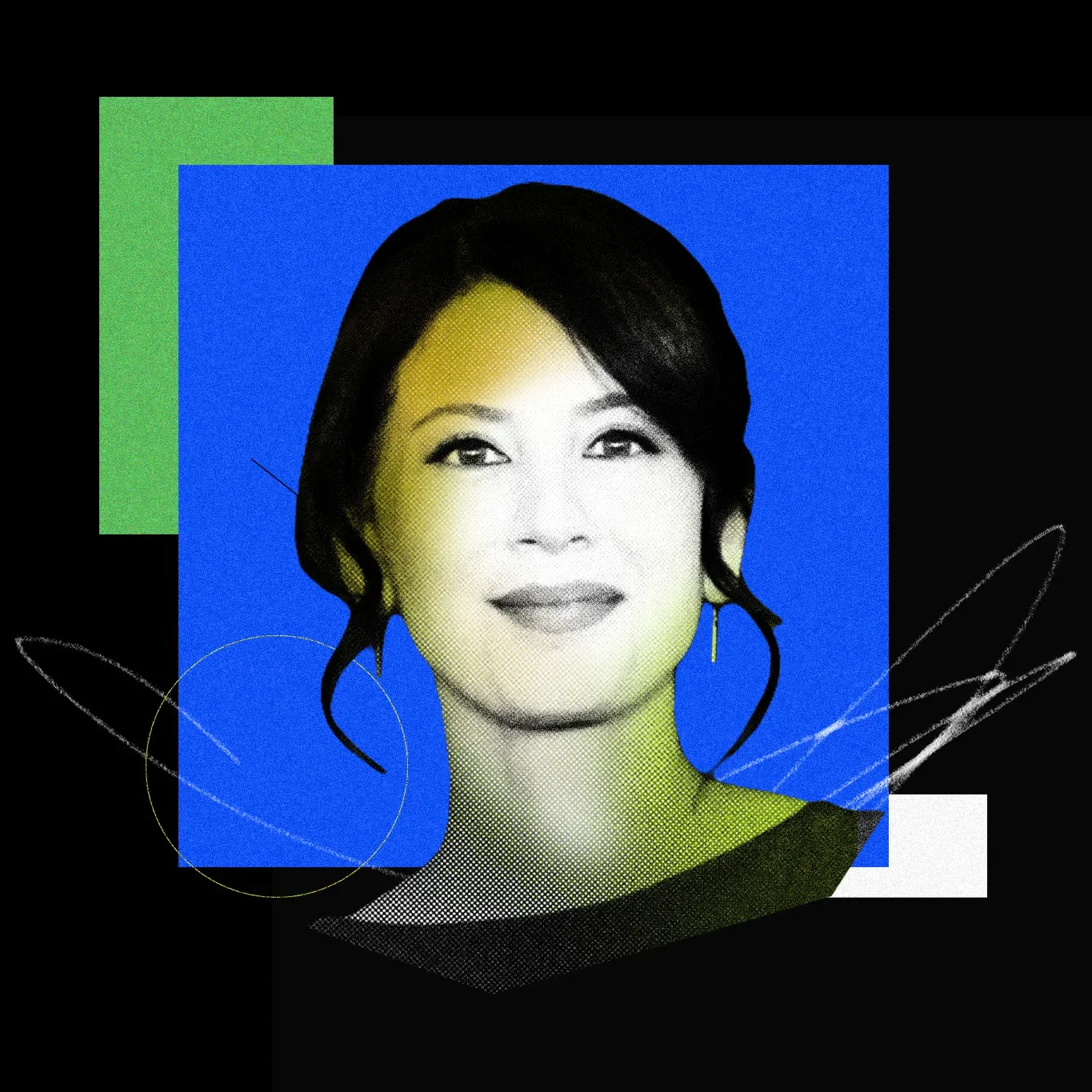
Mary Anne Franks has long been a vocal advocate against the scourge of online abuse, but her latest argument takes a provocative turn. She contends that sexual assault and harassment are fundamentally free speech issues. According to her analysis, when individuals are abused with impunity, the societal message becomes clear. It signals that we do not care about the voices of women in the digital public square.
This perspective flips the traditional narrative on its head. Usually, free speech advocates argue against censorship of harmful content. Franks suggests that the current lack of accountability for abusers effectively censors victims. When harassment goes unpunished, it creates a chilling effect. Women withdraw from online spaces to protect themselves from further abuse.
The implication is that true free speech requires a baseline of safety. Without it, the marketplace of ideas becomes skewed. Only those who can withstand or ignore abuse get to speak. This disproportionately affects women and marginalized groups. Their voices are silenced not by laws, but by the threat of violence.
This view aligns with broader discussions about platform responsibility. Tech companies often hide behind neutrality, claiming they are just conduits for speech. Franks argues that this neutrality is an illusion. By failing to enforce rules against harassment, platforms actively shape who gets heard. They prioritize the speech of abusers over the safety of victims.
For entrepreneurs and developers, this raises critical questions about product design. How do we build platforms that encourage participation without enabling abuse? The current model of minimal moderation is failing. It creates environments where bad actors thrive. This is not just a moral issue. It is a business risk that drives users away.
The challenge lies in balancing safety with expression. We need tools that can distinguish between legitimate debate and targeted harassment. AI can play a role here. Machine learning models can help identify patterns of abuse that humans might miss. However, these tools must be carefully calibrated to avoid over-censorship.
What this means for you is that you must be proactive about your digital presence. If you are building or using AI tools, consider how they handle harassment. Use AI to filter out abusive content before it reaches you. This helps maintain a healthier online environment. Try this prompt with your AI assistant to create a personal filter: "Analyze this comment for subtle harassment or threats. Flag any language that aims to silence or intimidate the speaker based on their identity."
Ultimately, Franks' argument forces us to rethink what free speech means in the digital age. It is not just about the right to speak. It is about the right to be heard. We must ensure that our online spaces are inclusive and safe. Only then can we claim to have a true marketplace of ideas.
Ready to apply this tech at your business?
Viking Net helps teams in San Antonio and worldwide stay ahead.