US orders federal agencies to remove China’s DeepSeek AI from their systems
By the AIdeaFlow Team
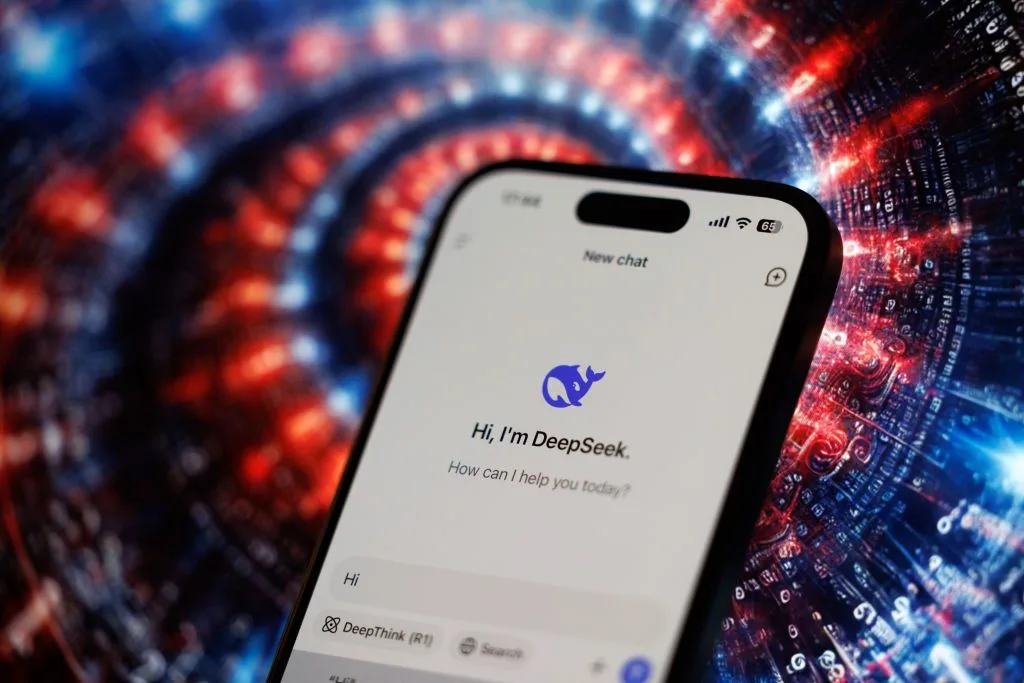
The United States government has issued a direct order for all federal civilian agencies to immediately remove DeepSeek products and any third-party services built on its technology. This directive is not merely a suggestion but a mandatory compliance step driven by heightened national security concerns regarding the Chinese artificial intelligence giant. According to recent reports, the administration views the integration of these models into critical government infrastructure as an unacceptable risk to data sovereignty and operational integrity.
This decision marks a significant escalation in the ongoing tech cold war between Washington and Beijing. It moves beyond mere export controls on advanced chips to actively policing the software layer of the AI stack. By targeting DeepSeek specifically, the US is signaling that it will no longer tolerate the use of foundational models from adversarial nations within its most sensitive systems. This creates a clear boundary line for what constitutes acceptable technology in the public sector.
For the broader tech industry, this order serves as a stark warning about the geopolitical vulnerabilities inherent in modern AI development. Many companies have rushed to integrate open-source or foreign-developed models to gain a competitive edge in speed and cost. However, this mandate suggests that speed can no longer come at the expense of security compliance. Organizations must now rigorously audit their AI supply chains to ensure they are not inadvertently relying on restricted technologies.
The implications for enterprise AI adoption are profound. Companies that have built internal tools on top of DeepSeek’s architecture will need to pivot quickly. This could involve migrating to US-based models or investing in proprietary solutions that offer greater control over data handling and model weights. The cost of this transition will be substantial, but the risk of non-compliance or security breaches is far higher in the current climate.
From a strategic perspective, this move also underscores the importance of data localization and model provenance. As AI becomes more embedded in critical infrastructure, the origin of the code and the training data becomes a matter of national security. Governments are increasingly likely to demand full transparency into how these models are built and where the data resides. This trend will likely extend to other allied nations, creating a fragmented global AI landscape.
What this means for you is that your current AI workflows may need a security overhaul. If you are using any tools that rely on DeepSeek or similar restricted models, you should assess the risk immediately. Consider auditing your prompts and data inputs to ensure no sensitive information is being sent to untrusted endpoints. A practical step is to use a local LLM for sensitive tasks or switch to a provider with clear US-based data governance policies. You can try this prompt to evaluate your current setup: Analyze this list of AI tools I use and flag any that have potential data privacy or geopolitical compliance risks based on their server locations and ownership structures.
Ready to apply this tech at your business?
Viking Net helps teams in San Antonio and worldwide stay ahead.