Replika’s founder built the AI assistant she pitched at Disrupt 12 years ago
By the AIdeaFlow Team
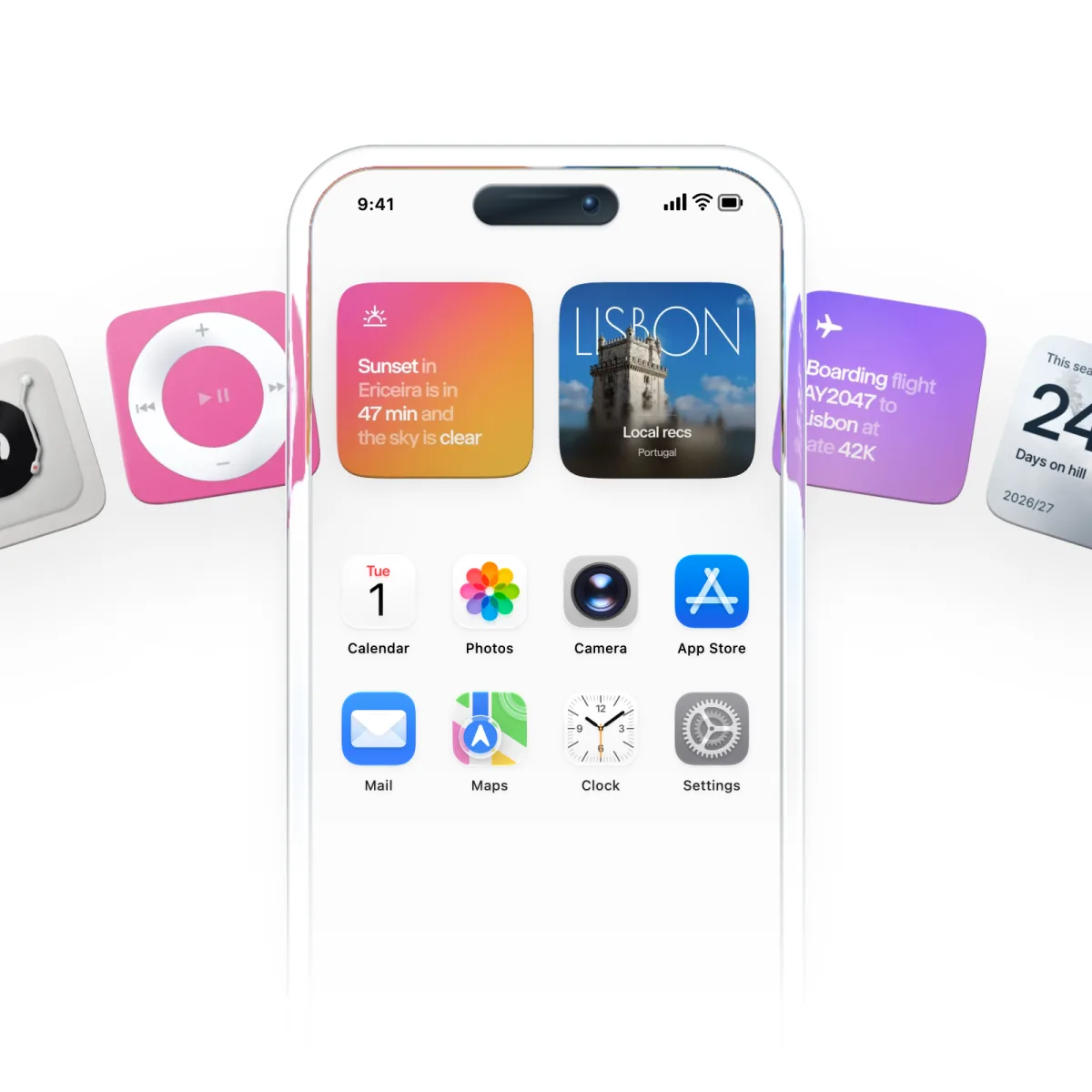
Eugenia Kuyda is back in the spotlight with a project that feels both nostalgic and urgently modern. According to recent reports, her newest venture Wabi is a personal AI assistant that is completely free and downloadable for anyone. This is not just another chatbot wrapper but a direct realization of an idea she originally pitched at TechCrunch Disrupt over a decade ago.
The timing of this launch is particularly interesting given the current state of the AI industry. For years we have seen major tech giants lock powerful models behind subscription walls or restrictive APIs. Kuyda’s approach of offering a free, downloadable tool challenges the prevailing business model that prioritizes recurring revenue over user accessibility. It suggests a growing demand for tools that feel like personal utilities rather than corporate services.
Kuyda’s history with Replika adds a layer of complexity to this new endeavor. She previously built one of the most well known AI companions which faced significant scrutiny regarding data privacy and emotional manipulation. While Wabi is positioned as a productivity assistant rather than a romantic companion the lessons from her past work likely inform the architecture of this new platform. The focus seems to be on utility and autonomy rather than emotional dependency.
The emphasis on the software being downloadable is a critical differentiator in an era of cloud dependent services. By allowing users to run the assistant locally or on their own infrastructure Wabi addresses growing concerns about data sovereignty. This aligns with a broader trend among AI enthusiasts who are increasingly wary of having their personal conversations and work habits stored on corporate servers.
This move also reflects a maturation in how we think about AI agents. Early iterations were often just conversational interfaces for search engines. The new generation of tools aims to act as true extensions of the user’s intent. Wabi appears to be betting that users want an assistant that learns their specific workflows without the friction of constant cloud authentication or expensive monthly fees.
The competitive landscape for AI assistants is becoming increasingly crowded. However most competitors are still trying to solve the problem of general knowledge retrieval. Kuyda is attempting to solve the problem of personal context and execution. This distinction is vital for professionals who need AI to do more than just answer questions. They need it to manage tasks and integrate with their existing digital lives seamlessly.
What this means for you is that the barrier to entry for powerful personal AI is lowering significantly. You no longer need to pay for premium tiers to get a capable assistant that understands your specific needs. If you want to test this new approach to personal AI try using a local LLM interface to manage your daily task list. Ask your AI to summarize your unread emails and draft three priority action items for the day. This workflow helps you evaluate how well an assistant can handle context without relying on expensive cloud services.
Ready to apply this tech at your business?
Viking Net helps teams in San Antonio and worldwide stay ahead.