Google’s more personalized Gemini AI is heading to your car
By the AIdeaFlow Team
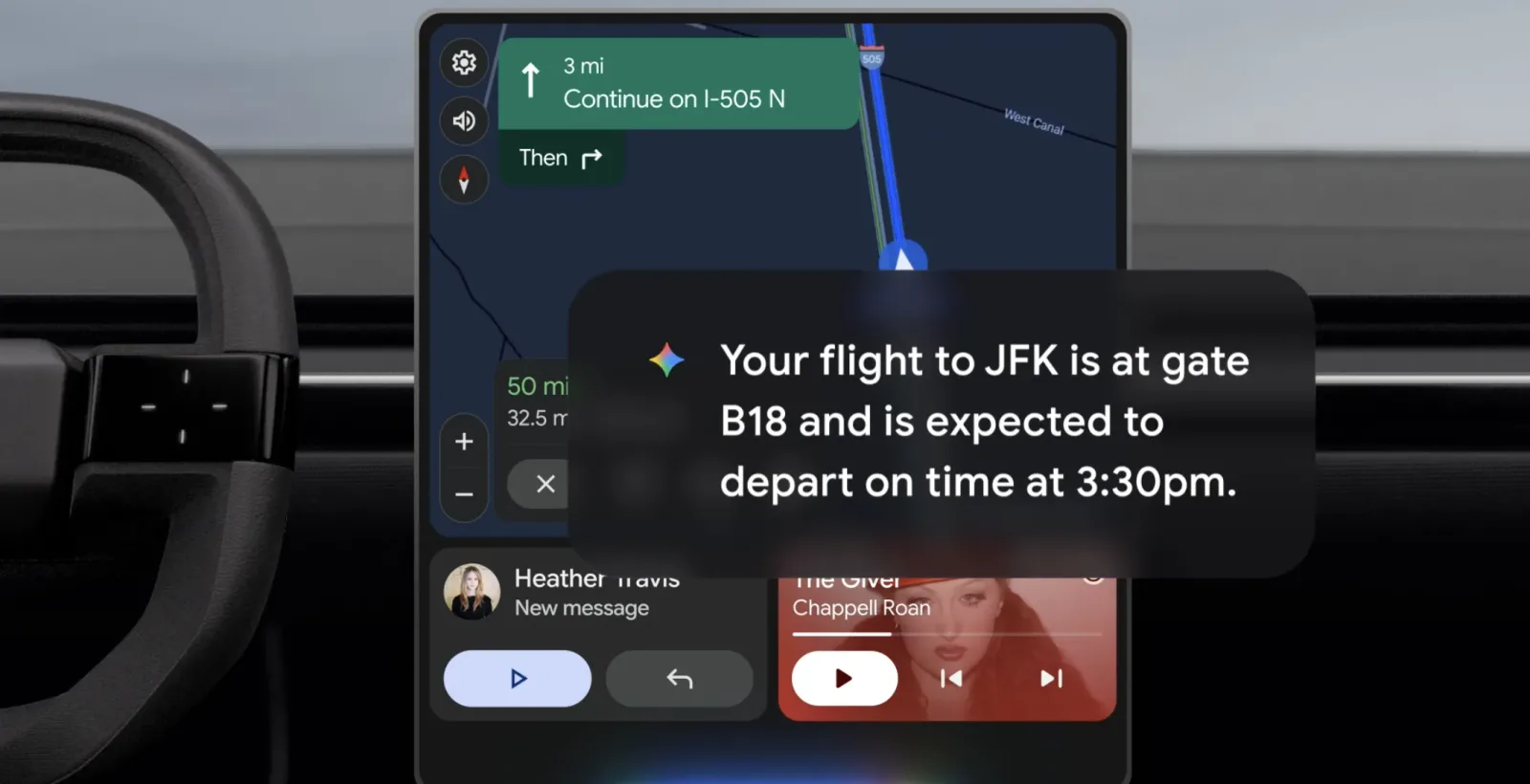
Google is taking a bold step toward making your car a true extension of your digital life. According to The Verge, the tech giant is rolling out Personal Intelligence to Gemini AI within Android Auto and vehicles with Google built-in. This update allows the assistant to tap into your information across a wide array of Google apps, including Gmail, Calendar, Maps, Photos, YouTube, and Search. It is no longer just about playing music or setting a destination. The system is designed to understand the context of your daily life and act on it while you are behind the wheel.
The practical implications of this integration are both convenient and potentially disruptive. Imagine you are driving to the airport and want to know your flight status. Instead of manually checking an app, you can simply ask Gemini. The AI will pull your flight details from a confirmation email in Gmail and cross-reference it with real-time data to give you an accurate update. This seamless flow of information reduces the cognitive load on drivers, allowing them to stay focused on the road while still accessing critical updates. It transforms the car from a isolated device into a connected hub of your personal ecosystem.
This level of integration also simplifies routine tasks that often require manual input. You can now ask Gemini to take you to your doctor's appointment without having to search for the address or type it into the navigation system. The AI retrieves the location from your calendar and plots the route automatically. Similarly, if you have a photo of a car wash on your phone, you can ask Gemini to find similar locations nearby. This uses visual recognition and local search data to provide relevant suggestions. These features aim to make driving less of a chore and more of a fluid experience.
However, this convenience comes with significant privacy considerations. By allowing Gemini to access your emails, calendar, and photos, Google is creating a comprehensive profile of your movements and habits. This data is not just stored locally but is likely processed in the cloud to provide accurate and personalized responses. Users must weigh the benefits of hands-free assistance against the potential risks of having such detailed personal information accessible in a public or shared vehicle. The transparency of how this data is used and stored will be crucial for widespread adoption.
From an industry perspective, this move signals a shift in how tech companies view the automobile. Cars are no longer just mechanical devices but are becoming software-defined platforms. Google is leveraging its dominance in search and productivity apps to create a sticky ecosystem that users cannot easily leave. This strategy contrasts with Apple's CarPlay, which has historically maintained a stricter boundary between the phone and the car. Google's approach suggests a future where the car is as integrated with your digital identity as your smartphone is today.
The broader trend here is the move toward proactive AI assistants. Rather than waiting for explicit commands, these systems are designed to anticipate needs based on context. This requires sophisticated natural language processing and deep integration with underlying data sources. For developers and entrepreneurs, this opens up new possibilities for app development and user experience design. The challenge will be to create interfaces that are intuitive and safe, ensuring that drivers are not distracted by overly complex interactions. The success of this feature will depend on how well Google balances utility with safety and privacy.
What this means for you: As AI becomes more embedded in our daily tools, we must become more deliberate about what data we allow these systems to access. Start by auditing your connected devices and understanding the permissions you grant. You can try this workflow with your current AI assistant to prepare for more integrated experiences: Ask your AI to summarize your upcoming week's schedule and identify any potential conflicts or tight transitions between appointments. This practice helps you understand how AI can organize your time, making you more comfortable with its role in managing your daily logistics.
Ready to apply this tech at your business?
Viking Net helps teams in San Antonio and worldwide stay ahead.